
Equipment Trainings
HPLC, GCFID, GCMS & Others
We guide from documentation to audit.
Analytical Instrumentation Training Programs
At BioNexa Pakistan, our specialized Chromatography Training Programs are designed to equip laboratory professionals, analysts, and students with practical, hands-on expertise in modern analytical techniques. We offer comprehensive training on High-Performance Liquid Chromatography (HPLC), Gas Chromatography with Flame Ionization Detector (GC-FID), and Gas Chromatography–Mass Spectrometry (GC-MS)
Each program covers instrument fundamentals, system components, sample preparation, method optimization, troubleshooting, calibration, and data interpretation. Trainees gain real-world operational skills, enabling them to run analyses confidently, maintain instruments efficiently, and meet international laboratory standards.

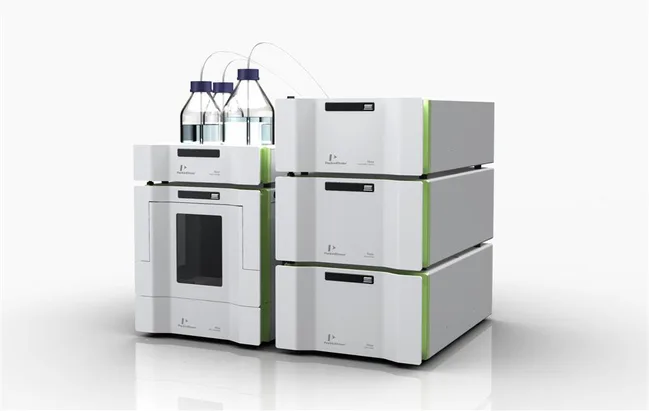
High-Performance Liquid Chromatography (HPLC) Training
This training provides comprehensive theoretical knowledge and extensive hands-on experience in High-Performance Liquid Chromatography for pharmaceutical, chemical, food, and research labs... More
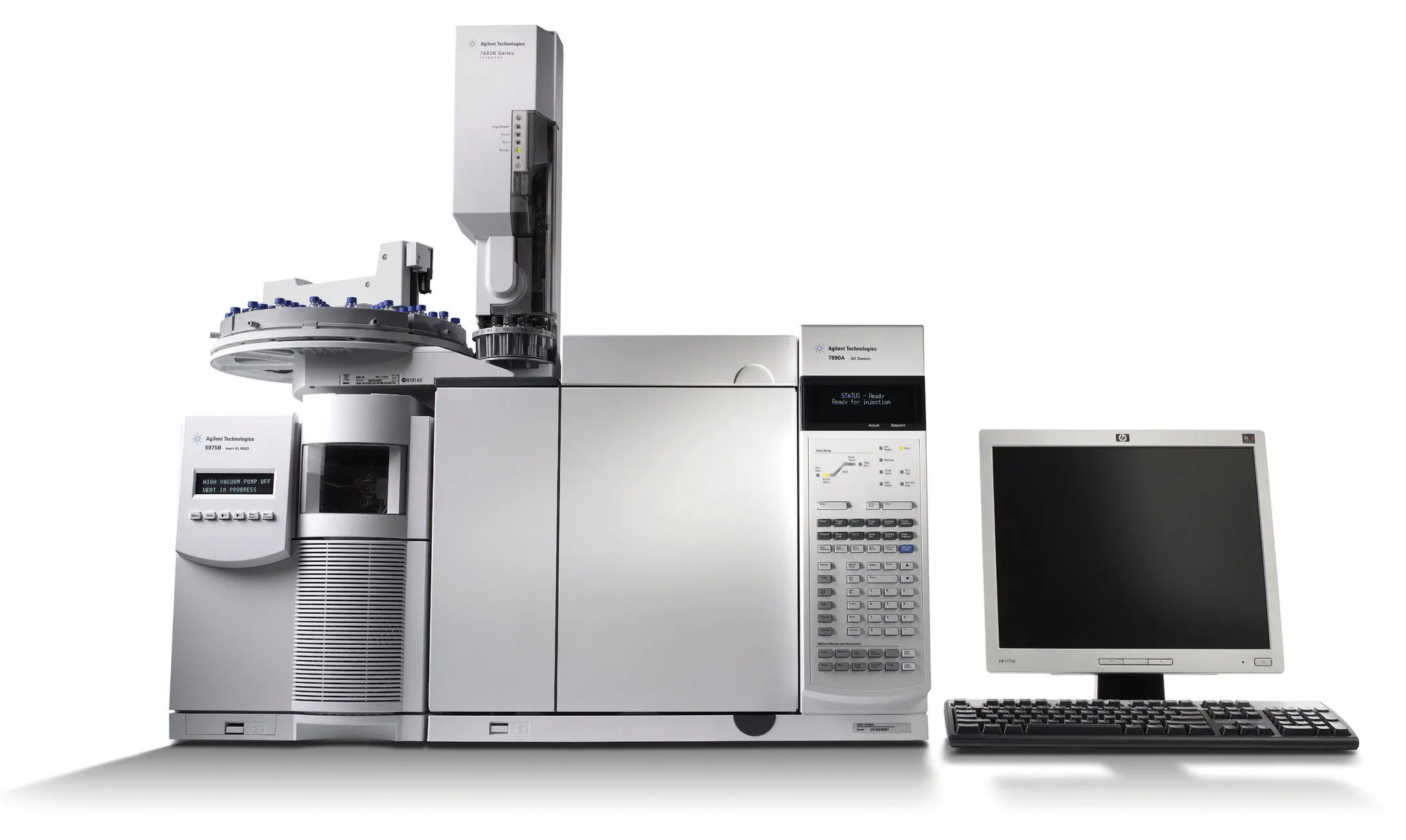
Gas Chromatography with Flame Ionization Detector (GC-FID) Training
This course focuses on practical and theoretical aspects of Gas Chromatography using Flame Ionization Detection, widely used for volatile and semi-volatile organic compounds. More
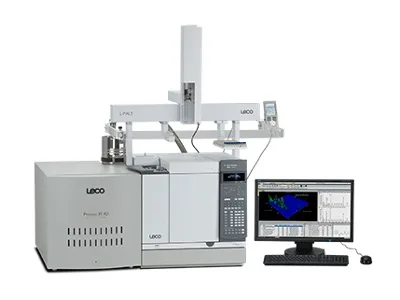
Gas Chromatography–Mass Spectrometry (GC-MS) Training
This advanced training covers both chromatography and mass spectrometric detection, enabling compound identification and structural confirmation. More
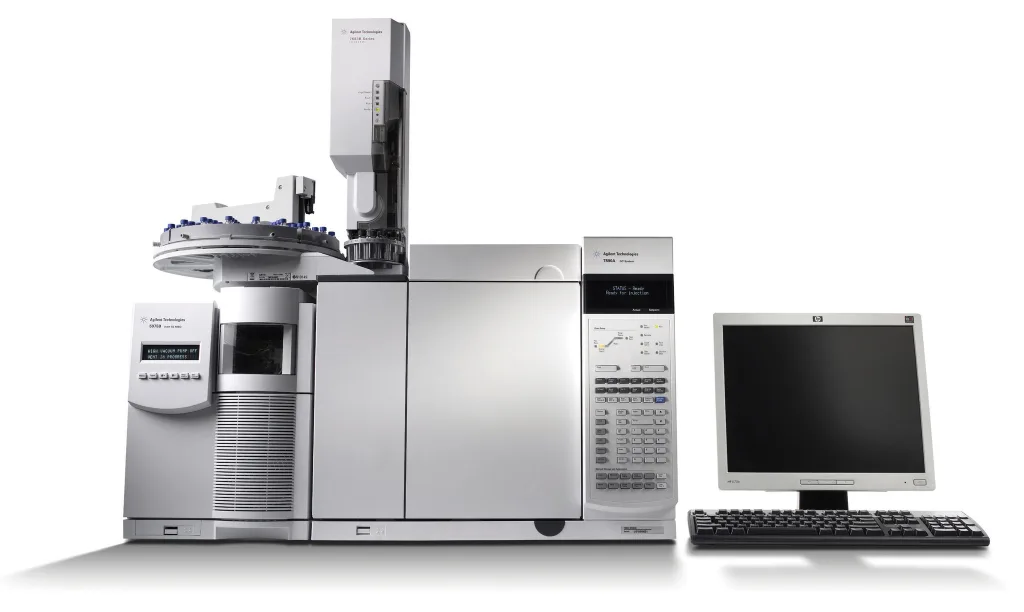
High-Performance Liquid Chromatography (HPLC) Training
Overview
This training provides comprehensive theoretical knowledge and extensive hands-on experience in High-Performance Liquid Chromatography for pharmaceutical, chemical, food, and research laboratories.
Training Coverage
- Principles of chromatography and separation mechanisms
- Components of HPLC system (pump, injector, column, detector, degasser)
- Types of columns and mobile phases
- Detector operation (UV–Vis, PDA)
- Method development and optimization
- System suitability testing
- Troubleshooting common HPLC problems
- Quantitative analysis and calibration
- Data processing and interpretation
Regulatory & Quality Aspects
- Good Laboratory Practices (GLP)
- Method validation parameters (accuracy, precision, linearity)
- Documentation as per regulatory guidelines
Regulatory & Quality Aspects
- Pharmaceutical analysts
- QA/QC professionals
- Research scholars and students
Gas Chromatography with Flame Ionization Detector (GC-FID) Training
Overview
This course focuses on practical and theoretical aspects of Gas Chromatography using Flame Ionization Detection, widely used for volatile and semi-volatile organic compounds.
Training Coverage
- Fundamentals of gas chromatography
- GC-FID working principle and instrumentation
- Carrier gases and flow optimization
- Sample preparation techniques
- Column selection and conditioning
- Injector types (split/splitless)
- Method development and validation
- Quantitative analysis using external/internal standards
- System suitability and performance checks
- Troubleshooting baseline noise, peak tailing, and resolution issues
Applications
- Residual solvent analysis
- Hydrocarbon analysis
- Pharmaceutical raw materials and finished products
- Petrochemical and environmental analysis
Gas Chromatography–Mass Spectrometry (GC-MS) Training
Overview
This advanced training covers both chromatography and mass spectrometric detection, enabling compound identification and structural confirmation.
Training Coverage
- Basics of mass spectrometry
- GC-MS instrumentation and interfacing
- Ionization techniques (EI principles)
- Mass analyzer and detector overview
- Scan and SIM modes
- Library search and compound identification
- Sample preparation and derivatization techniques
- Method development and optimization
- Interpretation of mass spectra
- Troubleshooting vacuum, tuning, and sensitivity issues
Compliance & Quality
- Data integrity concepts
- Analytical validation requirements
- Documentation practices
Applications
- Impurity profiling
- Forensic and toxicological analysis
- Environmental monitoring
- Natural products and essential oil analysis
Certification
Participants receive a Training Certificate upon successful completion, suitable for professional and regulatory documentation.
Training Features (Common to All Programs)
- Hands-on practical sessions
- Real-world case studies
- SOP-based instrument operation
- Troubleshooting-focused learning
- Certificate of Participation/Completion
- Customizable duration (1–5 days)
- On-site and laboratory-based training options